

Charlie-Kaida King is the Recipient of the BC2 Indigenous Scholarship and the Peter Jacobs Indigenous Scholarship
Kai is a status Mi’kmaq person originally from St. John’s Newfoundland. He’s now in the second year of the MLA program at the University of Toronto, and their first Indigenous MLA student. Previously Kai earned degrees in psychology-folklore at Memorial University and a Bachelor of Technology–Landscape Architecture at Dalhousie. Kai is dedicated to integrating Indigenous Heritage and Traditional Knowledge in landscape architecture and has also stepped up as a class representative within his program. Kai finds inspiration in the Newfoundland landscape and plans to return to Atlantic Canada in practice.

Jordan Green Receives the BC2 Indigenous Scholarship
Jordan is a fourth year environmental science student who chose her degree because she has a passion for understanding and preserving the natural world. Aside from her academics, I enjoy many outdoor activities such as hiking, fishing, and camping. As a future environmental scientist, she is looking forward to combining her love for the outdoors with her career.

Rielle Ettawacappo Receives the Peter Jacobs Indigenous Scholarship
Rielle is a Cree woman from Norway House Cree Nation. She is a first-year Master of Landscape Architecture student through the University of Manitoba’s Faculty of Architecture, and a member of the Indigenous Design and Planning Student Association doing social media and treasurer duties. Her proposed research focuses on collaborating with Norway House Cree Nation to address their community needs through design and strategic planning. The aim is to create a comprehensive approach that aligns with the community’s values and aspirations while addressing practical challenges.

Recipient of the Peter Jacobs Indigenous Scholarship and the BC2 Indigenous Scholarship for 2022 and 2023, Jordan Cantafio
Jordan Cantafio is a Red River Métis student at the University of Manitoba, currently completing an internship towards his Master's degree in Landscape Architecture. His internship focuses on the use of macrophytes in a Canadian climate to remove mercury contamination from a large-scale aquatic environment. Specifically, his research focuses on the contamination of water in the English-Wabigoon River system in western Ontario by the Dryden chlor-alkali plant, which has greatly affected the aquatic ecology and communities along the river, such as Grassy Narrows and the Whitedog First Nation. Jordan co-chairs the Indigenous Design & Planning Students Association (IDPSA), whose mandate is to promote and maintain Indigenous representation within the faculty. Jordan strives to integrate specific and reliable Indigenous content into programs and courses, while taking care to recognize the contextual differences of communities and cultures. Jordan currently works closely with the Elder in Residence and is involved in several projects, both at the University and in the community. Jordan expresses his sincere gratitude for being recognized and rewarded with these scholarships. Supporting indigenous students in this field is very important for the present and future of landscape architecture, and enables Indigenous voices to be at the forefront of this profession, displaying an abundance of knowledge and experience with the land.

Recipient of the 2021 Peter Jacobs Indigenous Scholarship: Naomi Ratte
Biography:
Naomi Ratte is currently enrolled in the MLA program at the University of Manitoba. Her interest in landscape architecture was ignited by her fascination with the connection between people and place. During her studies, Naomi has willingly accepted numerous student leadership roles within the faculty of architecture. Most notably, she co-founded the Indigenous Design and Planning Students’ Association (IDPSA) in Fall 2019. In February 2021, IDPSA launched Voices of the Land: Indigenous Design and Planning from the Prairies of which she was a co-editor. Voices of the Land is a collection of stories and perspectives that showcase Indigenous design students and practitioners across turtle island. The heart behind this publication is to hopefully inspire the next generation Indigenous youth through its representation of diversity in design.
Naomi’s practicum work is focused on understanding Anishinaabe foodways from her ancestral community of St. Peter’s/Peguis. The study includes an exploration into the connection between food, ecology, and culture. The goal of the work is to recognize opportunities for design interventions that can positively affect Anishinaabe foodways in a quickly changing social, cultural and physical climate.
Student Statement:
Naomi is humbled to be the inaugural recipient of the Peter Jacobs Indigenous Scholarship. This award not only aids in providing financial support, but also helps validate the presence of Indigenous perspectives in the profession of landscape architecture. The establishment of this award serves as a commitment to train a generation of emerging landscape architects to recognize, understand and acknowledge Indigenous peoples, including their histories, stories and connections to the land. Most of all, Naomi is thankful for dedication to honour the original inhabitant of these lands in the profession for landscape architecture and she is determined to use her career to continue building on the actions that have already been set in motion within the profession of landscape architecture.
Images and Descriptions:
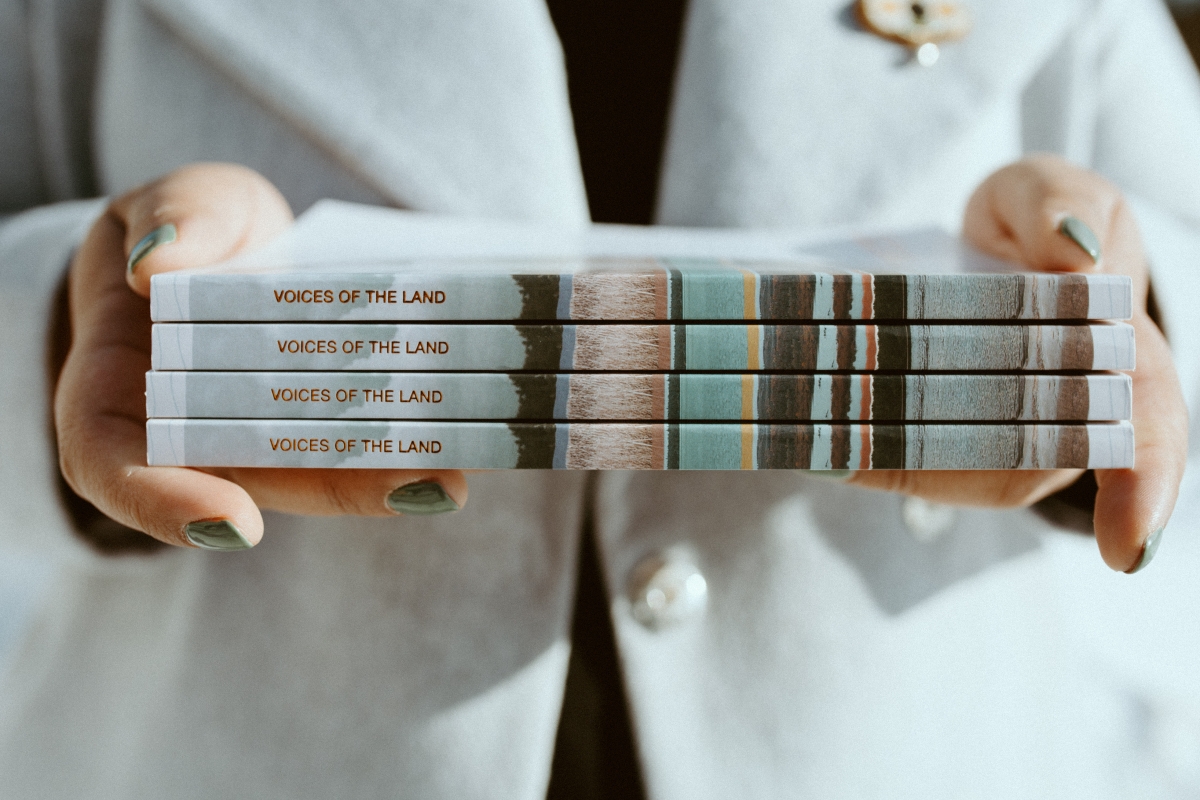
Image 1: Voices of the Land: Indigenous Design and Planning from the Prairies (Photo Credit: Courtney Champange)

Image 2: Kwáshkwan-in! (Jump!) Public Art Installation part of Canadian Heritage Art in the Capital Program in Byward Market, Ottawa, Ontario (April 2018 - May 2019) ()

Image 3: Iqalugaarjuup Nunanga Territorial Park Seasonal Use Calender, Rankin Inlet, Nunavut (Iqalugaarjuup Nunanga Master and Management Plan, Nunavut Parks and Special Places/NVision Insight Group Inc.)

Image 4: Shadow study pin model, LARC 7200 Studio 6, Fall 2019. Professor Dietmar Straub.