
Landscape Architecture Canada Foundation (LACF) is pleased to announce the recipients of funding in the 2026 Research Grants Program in support of research, communication and scholarship.
This year, 9 professional awards were approved by the jury.
The grants awarded for 2026 cover a broad range of topics and tackle issues important to the profession. The proposals were adjudicated and awarded by a National Jury composed of six individuals from public, private and academic practices areas, representing the different regions of Canada.
2026 Grant Recipients
#206: The Burrardview Food Forest Management Guide, a manual for collective landscape stewardship
Kristina Zalite awarded $12,500 with the Donald Graham Communication Grant
 Urban food forest gardens integrate edible, medicinal, and cultural plant species into multistoried ecosystems, and they have specific requirements for high production yields. In contrast to landscapes that are maintained by maintenance companies (such as described in the Canadian Landscape Standard), urban food forest gardens are designed, installed and managed by volunteers with various skill levels. This project will document and communicate techniques from unique perspectives in collective land management, food forest science, herbalism, permaculture and Indigenous ways of knowing. The project will create a food forest management guide in the City of Vancouver on xʷməθkʷəy̓əm, Sḵwx̱wú7mesh, and səlilwətaɬ Land.
#207: Trees and Materials: Building a Digital Thermal Sandbox for Microclimate Simulation
Yuhao Lu awarded $9,340 with the Donald Graham Communication Grant and the Sustainable Green Building Fund
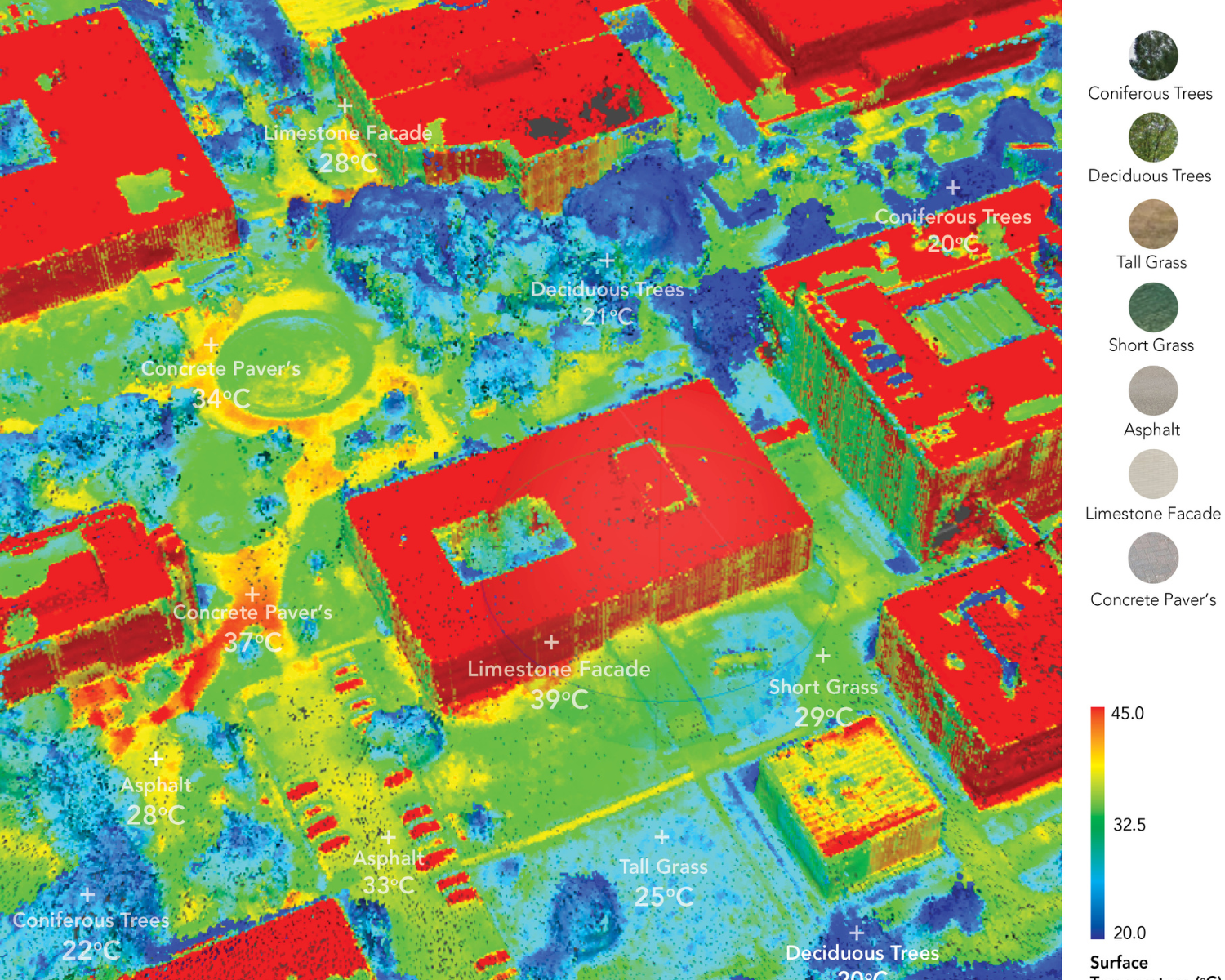 This project creates a digital thermal sandbox that combines drone-based thermal and multispectral scanning with an advanced simulation engine to assess how trees, planting arrangements, and materials impact outdoor thermal comfort and vegetation health. Using two university campuses (UM and UBC), the project enables landscape researchers to model and compare design options and to adopt or adapt the prototypes developed through this project. The outcomes include open and replicable workflows, planting prototypes, and educational resources that support climate-responsive landscape design across Canada, while highlighting the role of LACF and strengthening the profession’s leadership in addressing urban heat resilience.
#208: Lost landscapes: Using dynamic online maps to enhance search and discoverability of the Centre for Canadian Landscape Architecture Archives
Melissa Cameron awarded $11,548 with the Günter A. Schoch Grant for the History of the Profession
 Landscape Architects have shaped many of the iconic places in our country. While we preserve the records of their achievements in archives, these valuable documents lose their connection to place upon preservation and can become lost to memory. Through development of a web-based, searchable map of records from the Stanley Thompson collection, this project will test the ability of place-based searching to increase discoverability of the Centre for Canadian Landscape Architecture Archives. This tool will expand our understanding of the rich history of landscape architecture in Canada and may contribute to the preservation of heritage landscapes.
#209: Atlas for Living Landscapes
Aaron Hernandez awarded $12,500
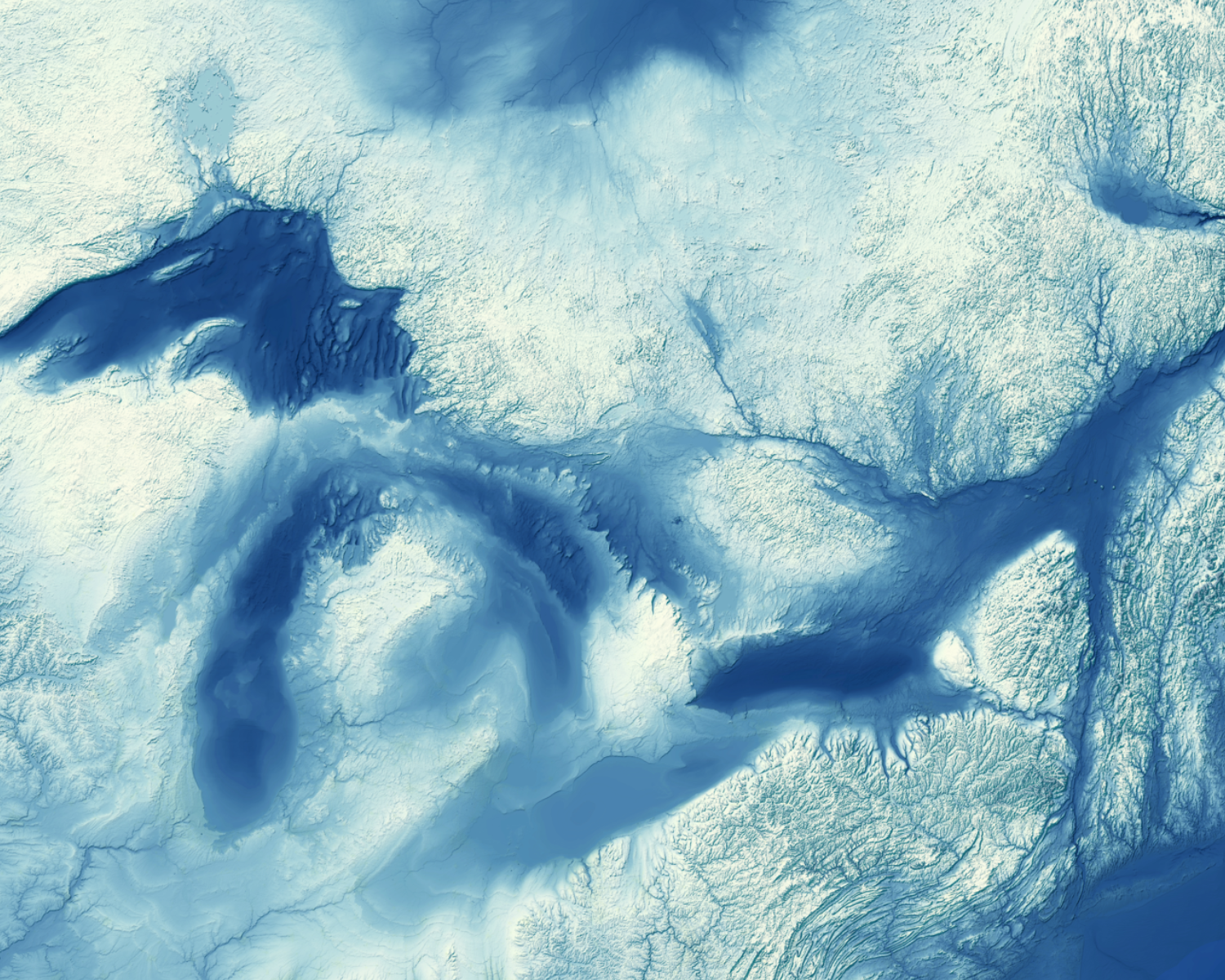 Over the past twenty years, natural entities such as rivers and forests are increasingly being granted legal rights in an effort to protect ecosystems. While these cases represent a transformative shift in western legal-governance systems, rights of nature are often articulated in abstract terms that are difficult to implement through spatial and material practices. Atlas for Living Landscapes addresses this knowledge gap by investigating the spatial, material, and operational implications of rights of nature policies, beginning with a comparative case study of two Commonwealth rivers: Muteshekau Shipu in Quebec and Te Awa Tupua in New Zealand.
#210: Playground Belonging Project
Melody Smale awarded $9,000
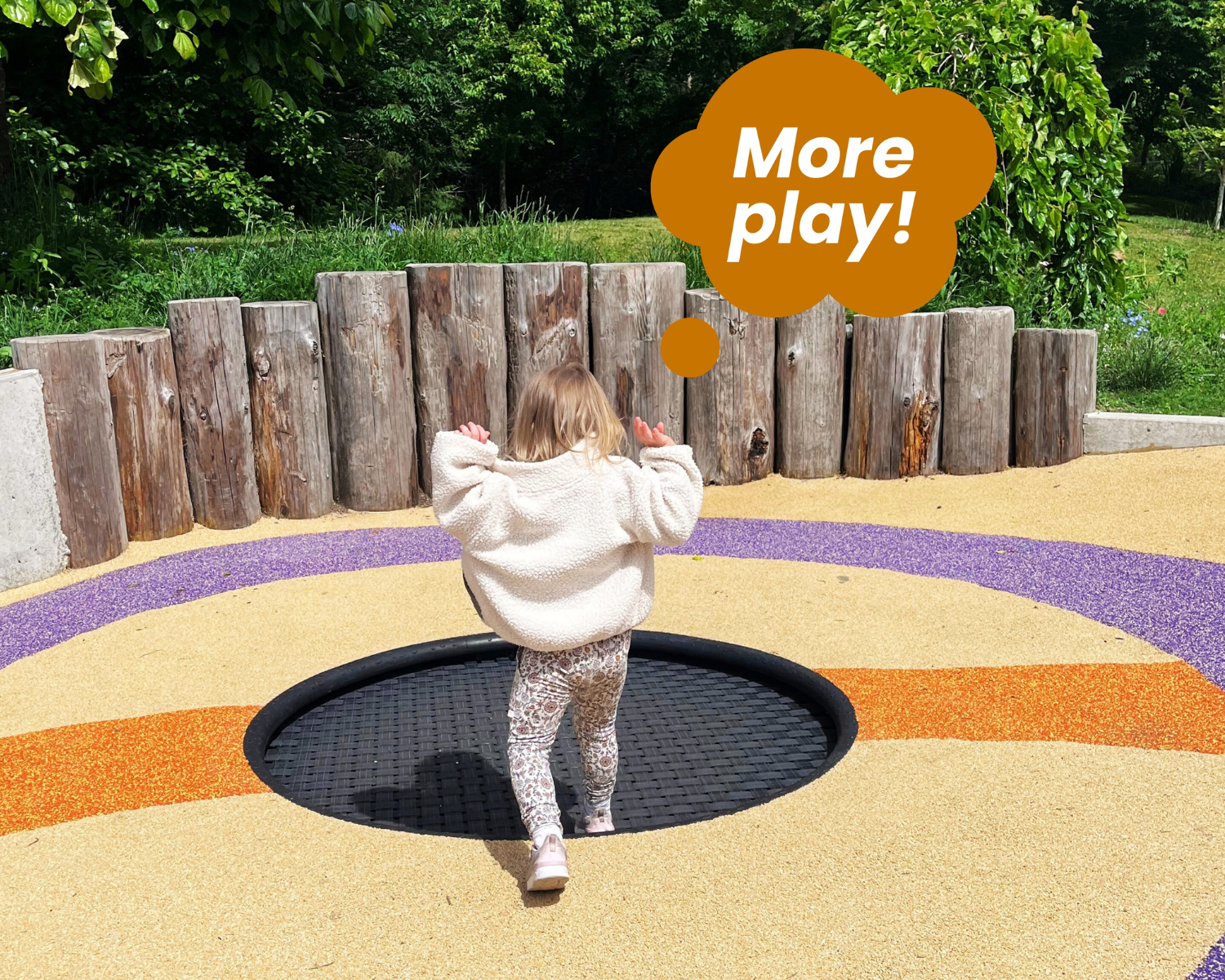 The Playground Belonging Project explores time sustained in play as an under-recognized indicator of inclusive design. Instead of auditing accessible features, it examines whether playgrounds support children with disabilities and their caregivers to remain engaged and at ease for a meaningful period of everyday use. Using a caregiver-led, post-occupancy reflection tool, the project connects duration to experiential domains for both children and caregivers, supporting more responsive evaluation practices. This work introduces “time held in belonging” as a human-centered metric to help inform future inclusive play environments through design, renewal, and planning decisions. Join the mailing list for updates at playgroundbelonging.com.
Photo caption: ‘More play!’ - her words during play. Caption added by her parent as part of the Playground Belonging Project.
#211: AI as Collaborator | Closing the Loop Between Machine Learning and Human Intuition to Inform Spatial Configurations
Afshin Ashari awarded $7,500
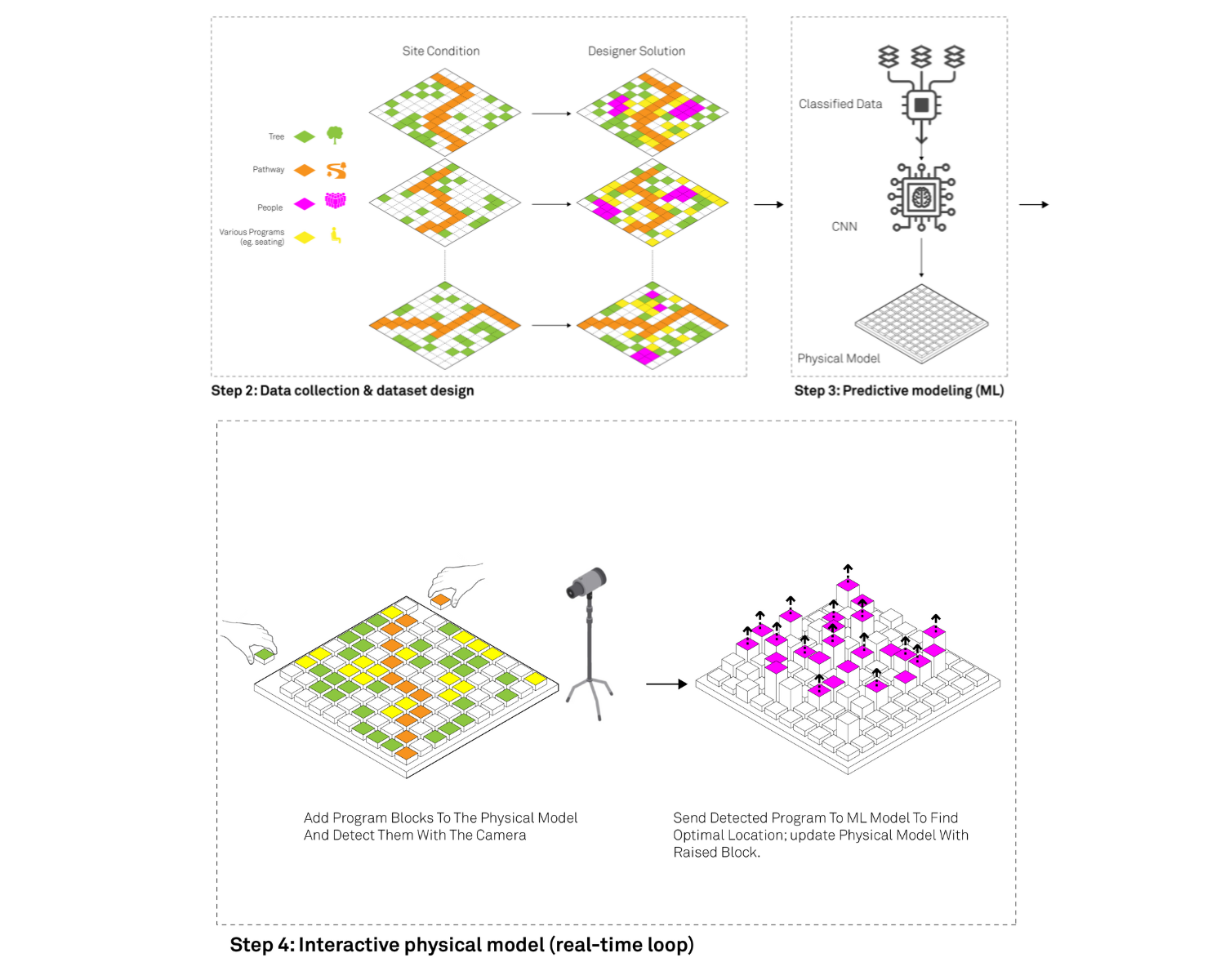 AI as Collaborator explores a designer-in-the-loop machine-learning workflow that moves beyond text-to-image generation toward transparent, data-informed design decisions. Using designer-authored iterations, hand sketches, and labeled park layouts, a convolutional neural network learns patterns behind program placement, aiming to understand designer skillsets and propose data-informed spatial configurations. The designer remains the primary decision-maker, using model outputs to test alternatives informed by sunlight, temperature, tree canopy, pathway connectivity, and human presence. An Arduino-driven interactive 3D model displays recommendations in real time for rapid “what-if” exploration, supporting more inclusive and responsive public-space design.
#212: Evaluating Pelee Island Alvar Species for Enhancing Green Roof biodiversity in Southern Ontario
Tyler Bradt and Katie Strang awarded $8,000 with the Architek Sustainable Urban Environment Grant
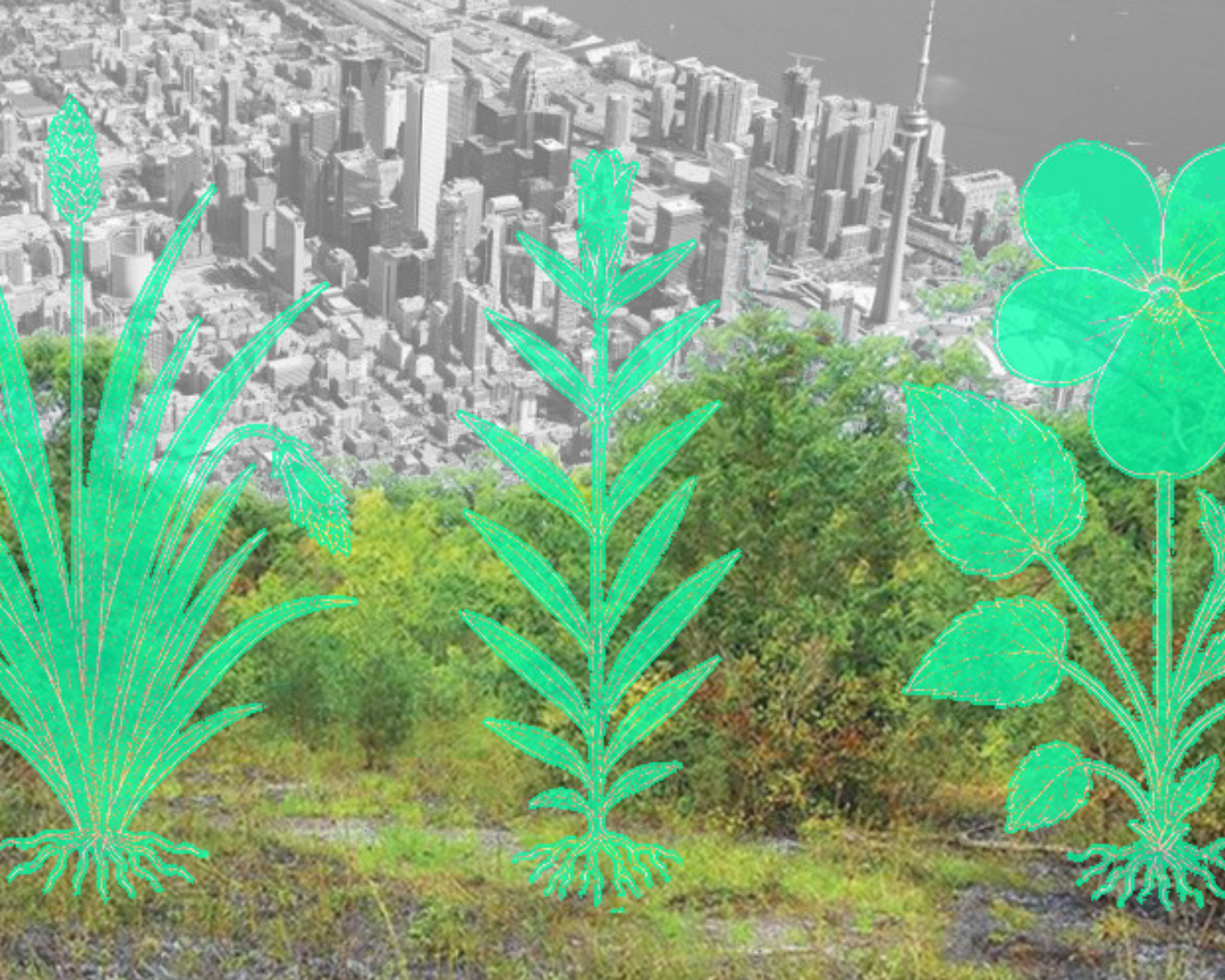 This project investigates native plant communities in Pelee Island’s alvar ecosystem to identify resilient, underutilized species for enhancing green roof biodiversity in Southern Ontario. Field work at the Stone Road Alvar Nature Reserve will document plant associations and ecological relationships, generating a curated list of candidate species and annotated photographs. These findings will inform future field trials to evaluate species performance on green roofs under local climate conditions. The research aims to expand the palette of ecologically appropriate plants used in green infrastructure, contributing to more diverse, climate-adaptive green roof systems across the region.
#213: Bringing Life to Engineered Soils: A Microbial Approach
Kait McGeary and Katya Yushmanova awarded $12,500
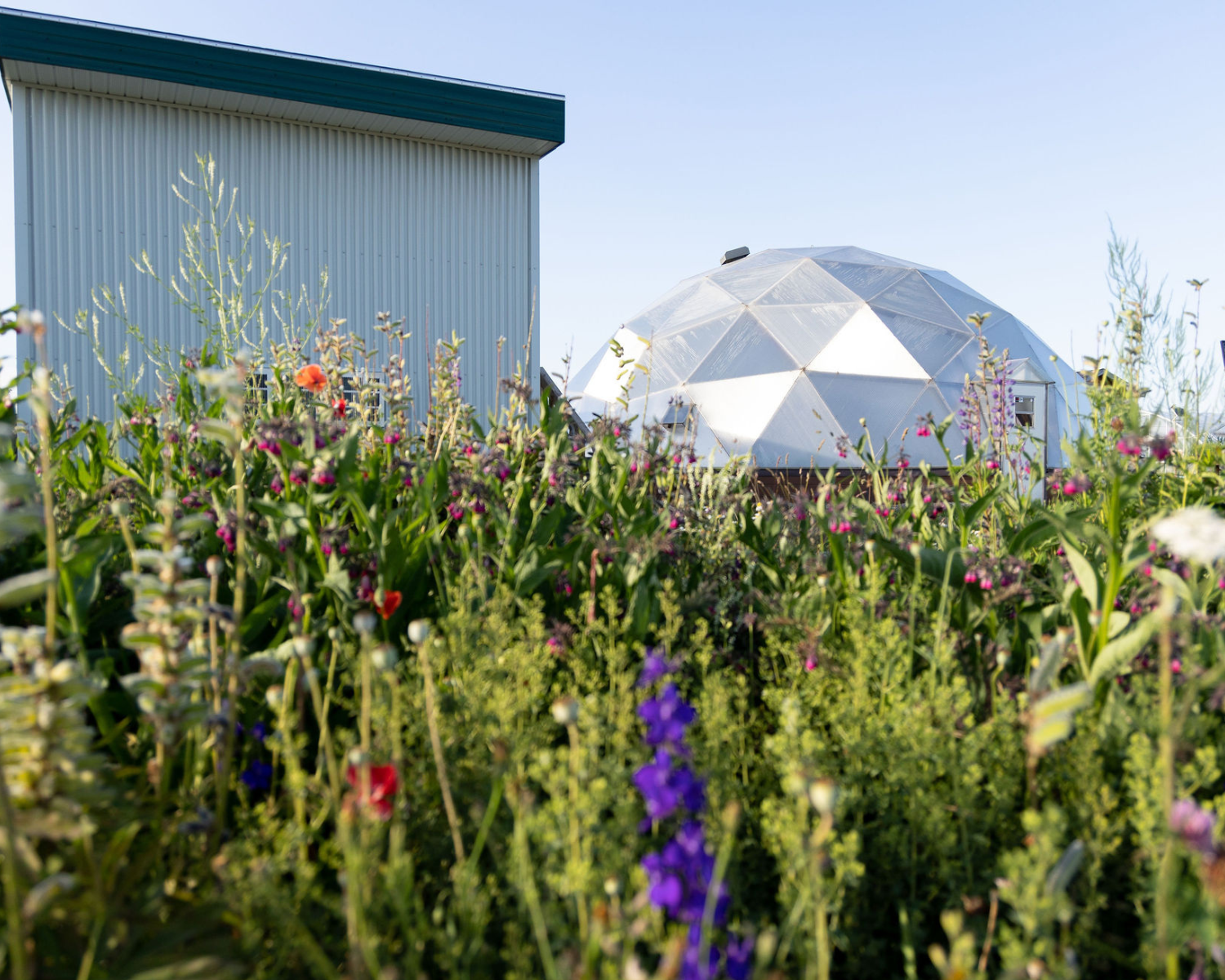 The Canadian Landscape Standard does not specify requirements for biological testing or protocols for developing healthy microbial communities in engineered growing medium. We are finding suppliers are reluctant to incorporate biological amendments due to uncertainty about impacts on soil chemistry, unpredictable costs, and absence of standardized biological testing protocols. This field trial monitors biological activity in engineered growing medium over time, evaluating amendment combinations and inoculation strategies to establish resilient microbial communities. The results will provide evidence-based recommendations for integrating biological metrics into growing medium specifications, supporting climate resilience through enhanced carbon sequestration and reduced dependence on synthetic fertilizers.
#214: Sediment by Design
Kees Lokman awarded $9,000
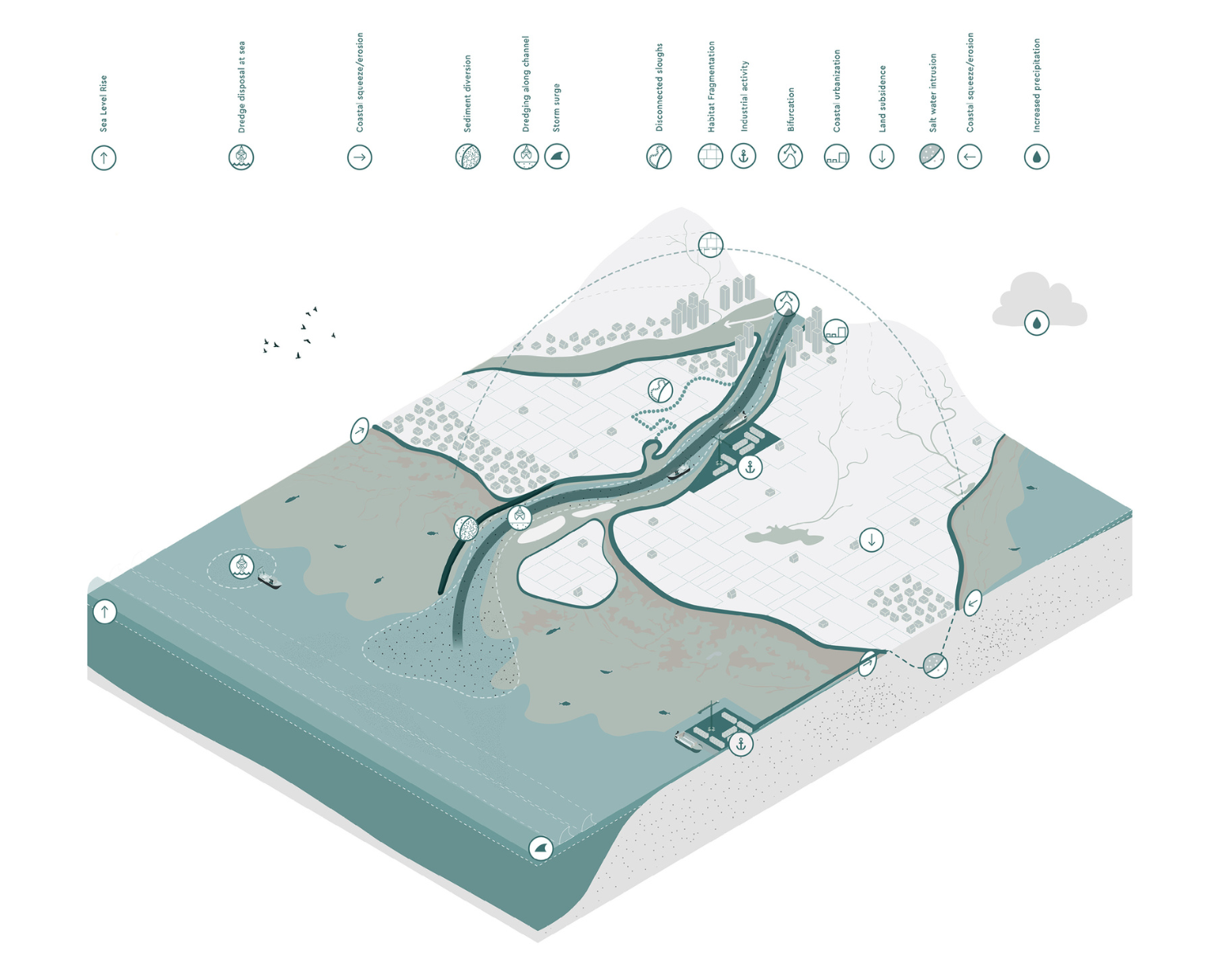 The SEEDS—Sediment by Design project reframes sediment as a regenerative material for climate adaptation in the Fraser River Delta. Through research by design and scenario planning, the project explores spatial strategies for sediment reuse and restoration, linking design inquiry, ecological science, and Indigenous and place-based knowledge. Grounded in a Spatial Atlas and advanced through Co-Creation Workshops with governments, communities, and researchers, SEEDS will synthesize insights into a cross-sector Regional Roadmap—a framework for coordinated action and long-term stewardship across the delta’s interconnected ecological, infrastructural, and cultural systems.