
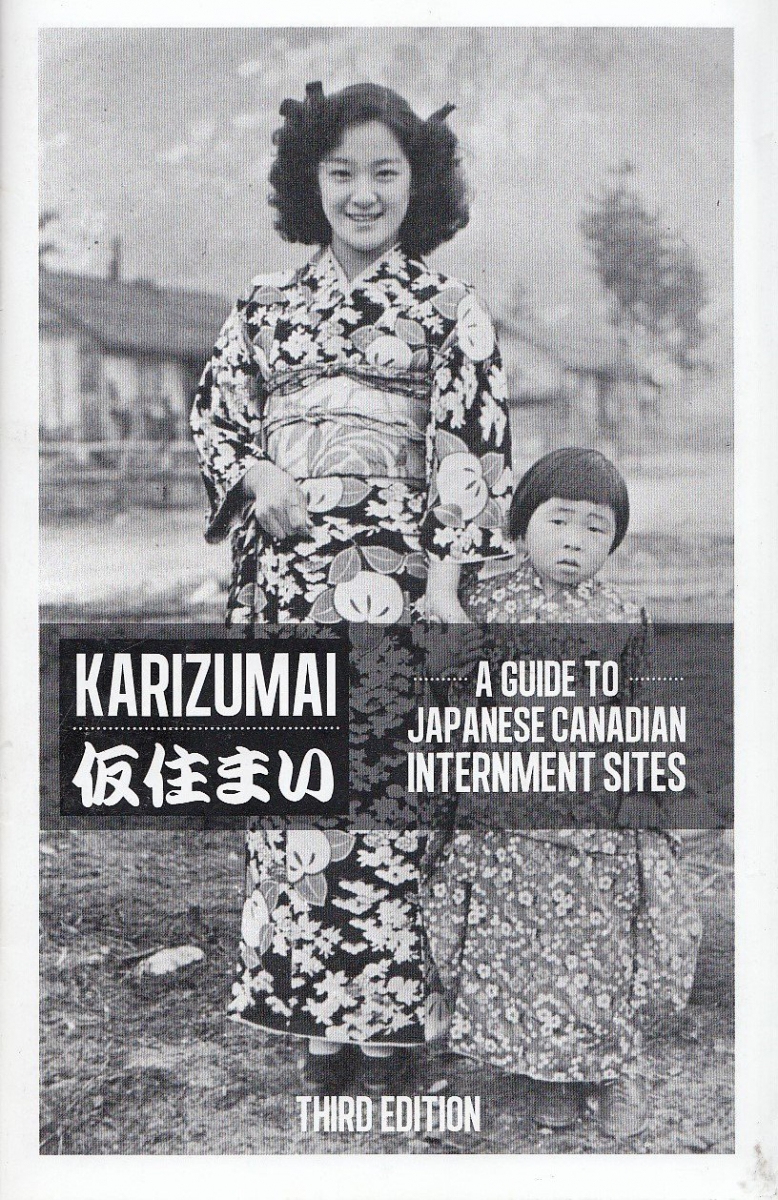
Karizumai: A Guide to Japanese Canadian Internment Sites, Nikkei National Museum & Cultural Center; Third edition (2013)
The Reparative Logics of World War II Confinement Camp Preservation: British Columbia, Alaska and Hawaiʻi in Context
Desiree Valadares, PhD Candidate, UC Berkeley / Grant $5,000
On April 1st 2017, the British Columbia Register of Historic Places recognized more than 56 sites, buildings, and landscapes as part of the Provincial Recognition Program’s Japanese-Canadian Historic Places Project to promote the study, management, preservation, and interpretation of these sites and their associated material culture. Included in the recognized places are World War II internment camps, self-supporting sites, and road camps, in addition to fishing, mining, and logging communities that confined Japanese-Canadians from 1942-1949. This dissertation aims to uncover the role of landscape/ruins/ material traces in the larger project of government recognition and redress for historical injustices.
The link between Canadian and U.S. wartime civilian internment practices remains unexplored in the historical literature despite valuable, recent contributions. Specificities of the internment and redress experiences in outlying geographies such as British Columbia, Alaska and Hawaiʻi are almost always written in separate volumes, with little to no reference to each other despite significant similarities. This doctoral thesis aims to work in dialogue with other scholars, primarily critical ethnic and indigenous scholars, who to challenge the concept of redress and reparations through a political economic lens to argue that neoliberal imperatives hamper the politics of reconciliation and instead, promote a false logic of economic equality and colorblindness.